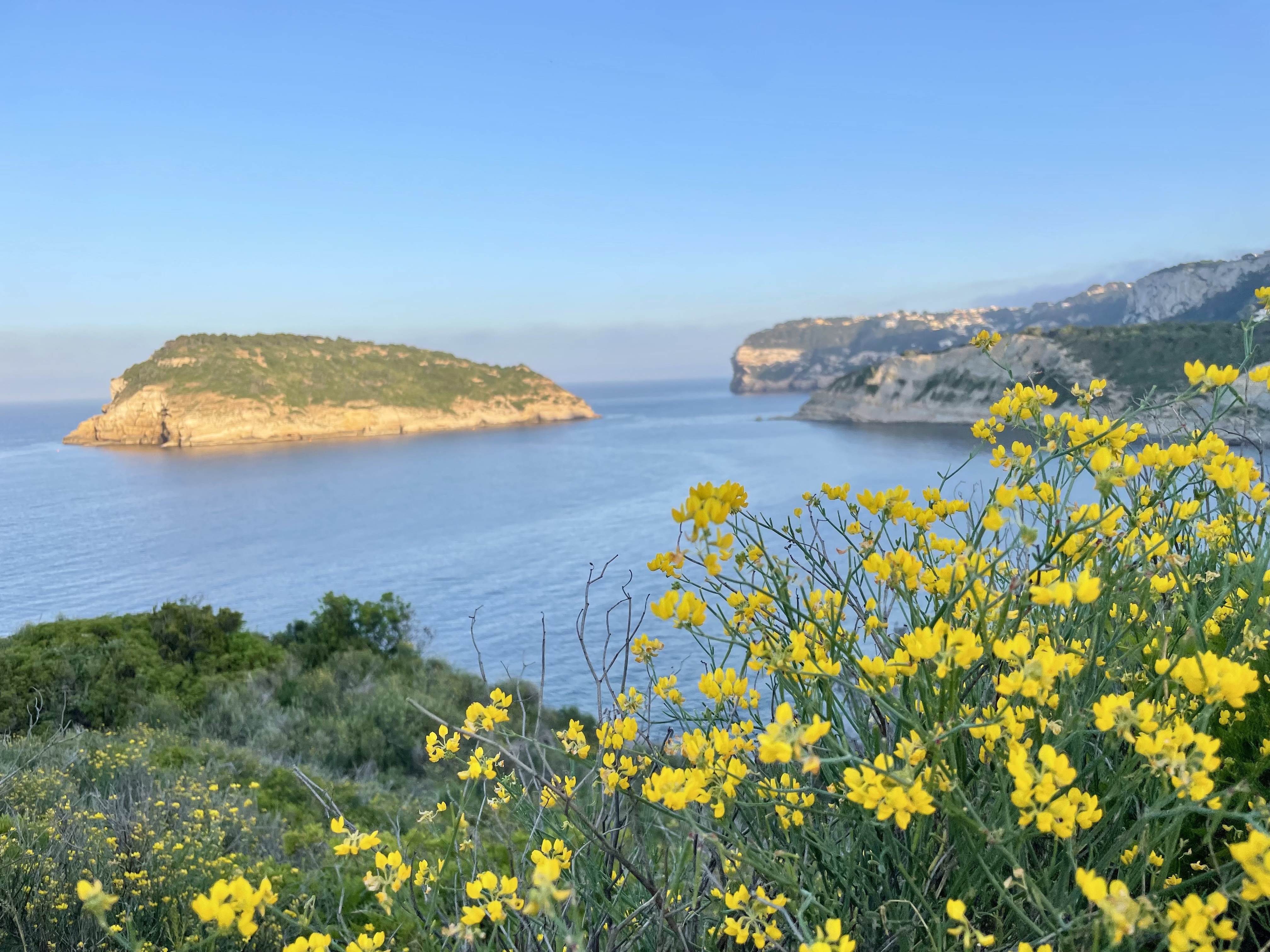
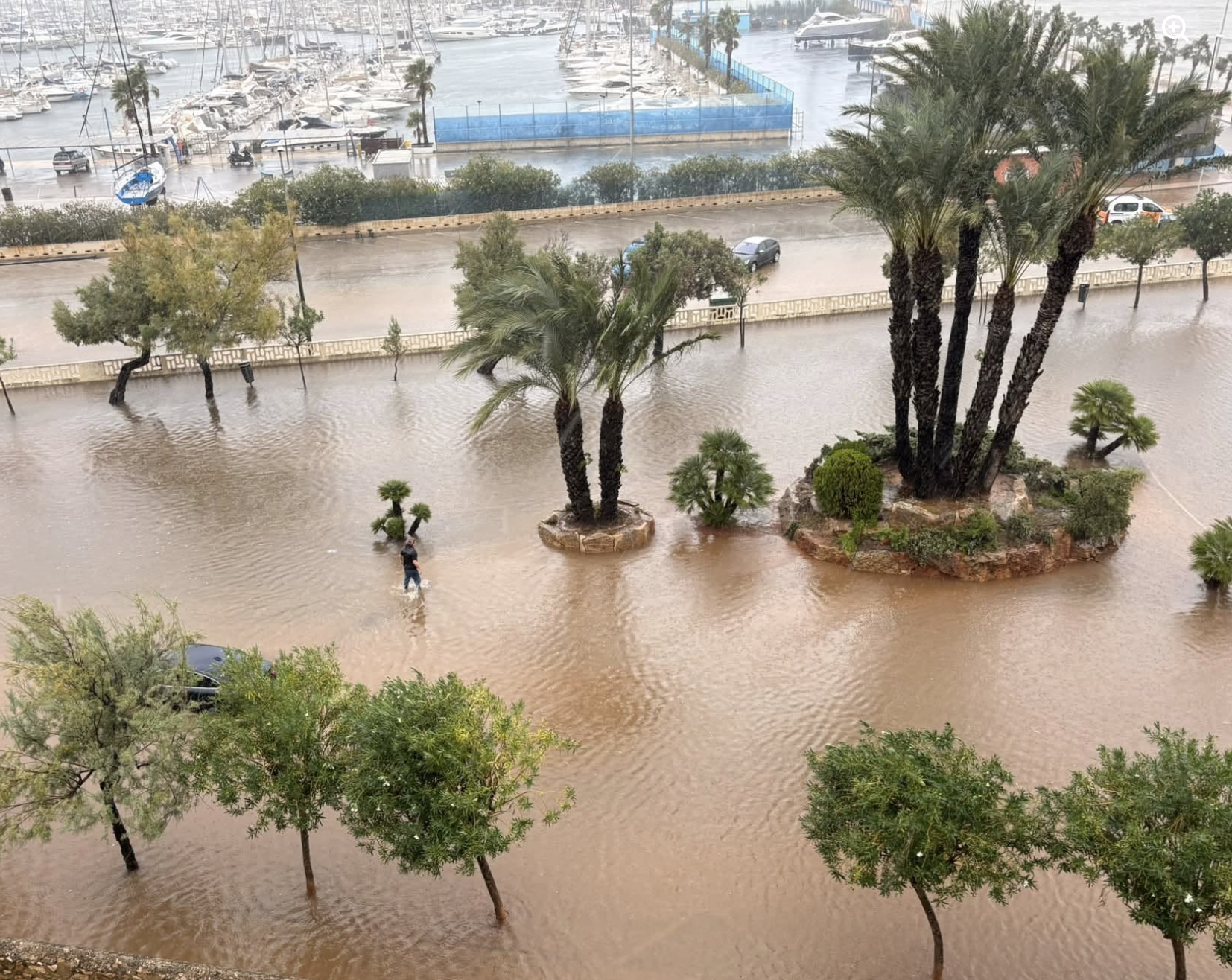
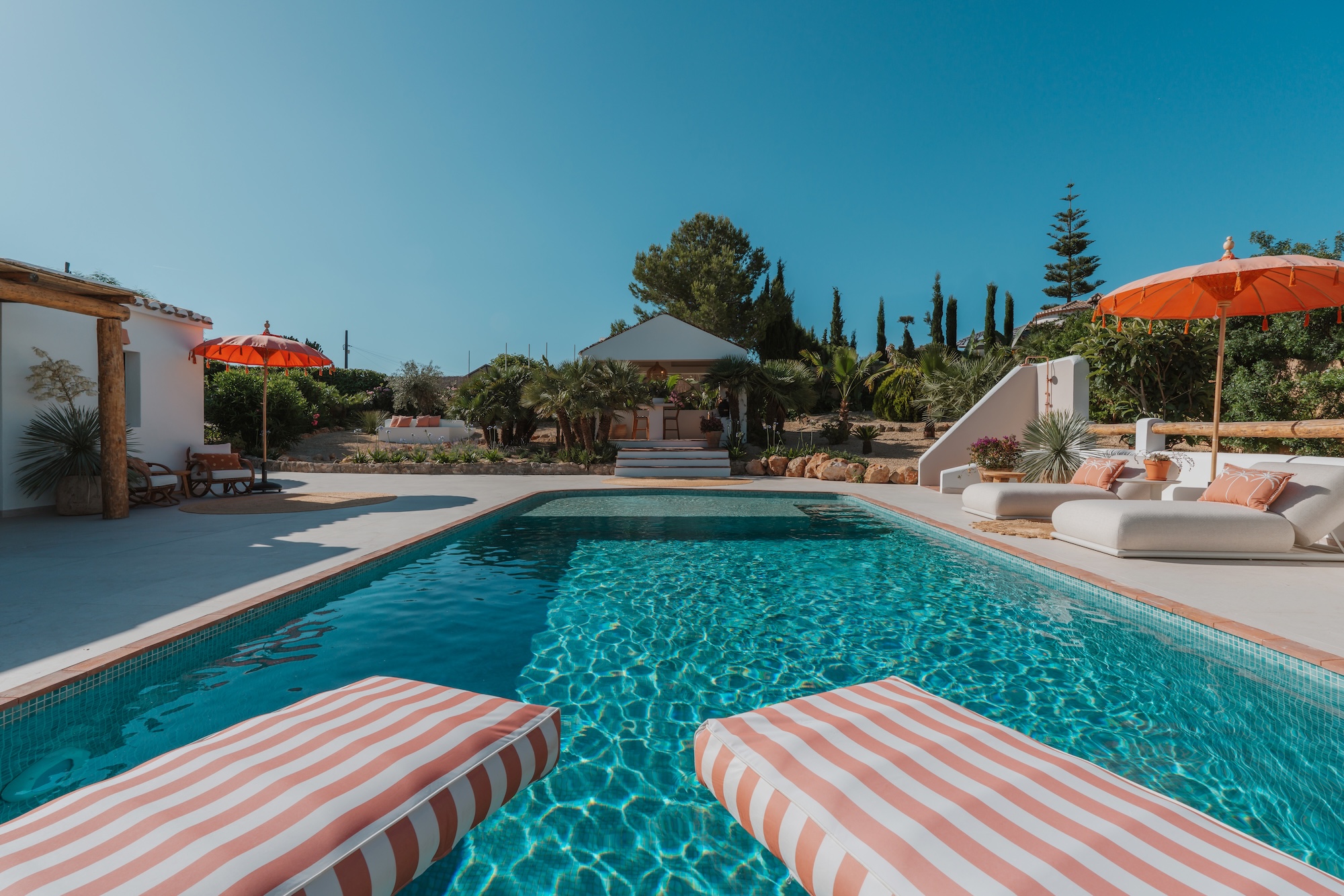
If I could tell people who only know the northern Costa Blanca in summer just one thing, it would be this: winter here isn’t the dead season, it’s another face of the region. Quieter, more local, and for many of us the most beautiful.
In this article I answer the two questions I hear most often between October and March. Where can you go for a good lunch in winter, and what’s worth tasting at this time of year? And if you own a property here: what rental opportunities do you have in winter around Jávea, Dénia, Moraira, Calp and Altea? I’m answering both from here in Jávea, where our office is.
Winter food: fewer tourists, more local flavour
There are still plenty of places to eat in winter, just in a different way. In the town centres and the old towns of Jávea, Dénia, Calp and Altea, most restaurants stay open all year, because these towns are lived in all year round, not just in the summer season. Some of the beachside places that cater mainly to summer visitors do close, though, and many family-run restaurants take a few weeks’ holiday in January or February. My tip: in winter, always call ahead and check the opening hours.
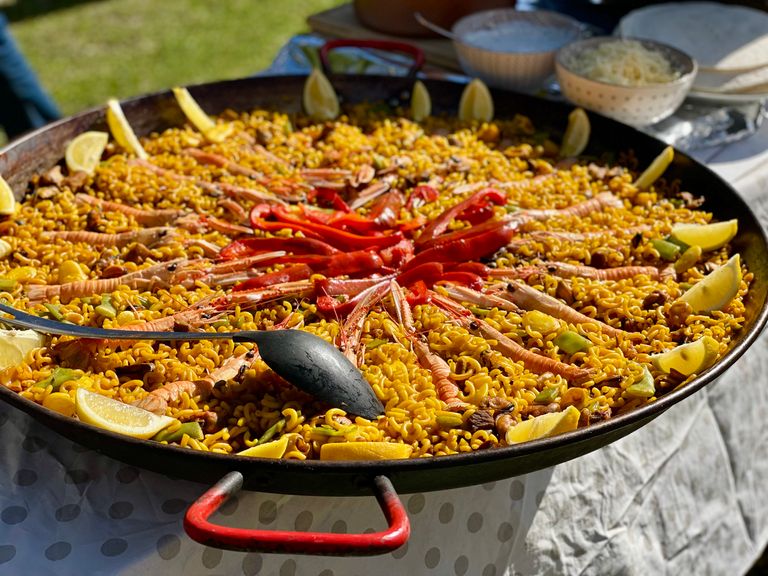
Winter is the season of spoon dishes. At this time of year, Marina Alta cooking draws on the mountains as well as the sea:
- putxero: a hearty meat stew with chickpeas and vegetables, the classic for cold days;
- arròs amb fesols i naps: rice with white beans and turnip;
- olleta: a warming one-pot dish from the mountain villages of the Vall d’Ebo;
- cruet and suquet: fish stews, favourites in Jávea and Dénia;
- gamba roja: Dénia’s famous red prawn, available all year.
Dénia has been a UNESCO Creative City of Gastronomy since 2015, and you can feel it in winter too. In 2025, for example, the winter edition of the Jornadas de Cuchara ran from 20 January to 9 March: you could try 47 spoon dishes from 12 restaurants for €5.50 a dish. Keep an eye out for the next one.
Rental opportunities from October to March: what do the numbers say?
The northern Costa Blanca isn’t empty in winter either. The available data mostly covers hotels and the whole province of Alicante, not specifically villas in the Marina Alta. But it shows the trend clearly:
- October is still strong. For the first half of October, Costa Blanca hotels (excluding Benidorm) expected 79% occupancy.
- January is the low point. In January 2026, Costa Blanca hotels ran at 63.7% occupancy. Mid-range three-star accommodation performed best, as it responds well to longer stays.
- February broke a record. In February 2026, hotel occupancy in the province of Alicante reached 78.9%, the best February on record. 77% of guests came from abroad, mainly from the UK, followed by Poland, Ireland, the Netherlands, Germany and France.
- Apartments are quieter. In tourist apartments in the province of Alicante, overnight stays between January and April were 2.2% lower than a year earlier, with occupancy of around 41% in April.
What I read from this: in winter, it isn’t short one-week holidays that bring the business, but longer stays. Retirees who spend the cold northern months here. Remote workers who come for a month or two. And families looking for a home here who want to try winter life first.
The secret stars of the winter season: road cyclists
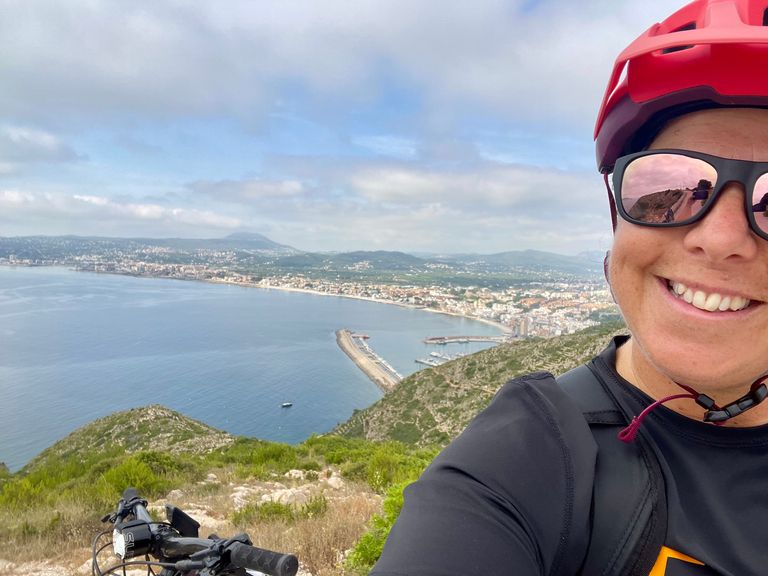
Anyone who comes here in winter can see it: the roads are full of road cyclists. In recent years, the northern Costa Blanca has become one of Europe’s most important winter training grounds. For the 2026 season, more than ten of the 18 WorldTour teams prepared here: Soudal Quick-Step in Calp, Bahrain Victorious and Astana in Altea, Jayco AlUla in Dénia, and Pinarello-Q36.5 in Jávea, in a newly opened hotel.
Following the pros come the amateurs: groups of friends, clubs and training camps, drawn by the Coll de Rates and the other mountain roads. In Calp, people now talk about “two high seasons”: one in summer, and one in winter brought by the cyclists. Hotels that used to close for the winter now stay open all year. To be honest, this popularity comes at a price. The busiest mountain roads get congested, and some locals would like more patience and respect for the rules from cyclists.
What does this mean for you?
If you’re an owner, you can choose between three options for the winter:
- Longer winter lets. Stays of one to six months, bringing steady income and fewer guest changeovers. For this, the house needs to be comfortable in winter too: heating, good internet and well-sealed windows. Winter guests are much more sensitive to these than summer guests.
- Short-term holiday lets in winter too. For this you need a valid tourist licence. Demand is lower at this time of year and depends more on events and holidays, so pricing matters more than in summer.
- A winter break with maintenance. If you don’t let the house, this is the best time for renovation work and for getting the pool and garden in shape, so everything is ready in spring. An empty house should still be checked regularly, especially after autumn storms.
If you’d like to welcome cyclists: they’re one of the best target groups in winter, but they have their own needs: a safe, lockable space for expensive bikes, an outdoor tap or washing area, basic tools, a washing machine for sportswear and the option of a hearty breakfast. A villa that offers all this can be in real demand with groups in winter.
Which option is right depends on the house, its location and your goals. A flat close to the centre of Jávea or Dénia is surrounded by life even in winter. The area around a villa in a remote urbanisation, on the other hand, can be very quiet in winter.
If you’re planning to buy: come in winter too. In summer every area looks lively and appealing, but winter shows where there’s real, year-round life: shops and cafés that stay open, and neighbours. If you want to live here, or let your property in winter too, this is one of the most important things to consider.
The northern Costa Blanca in winter
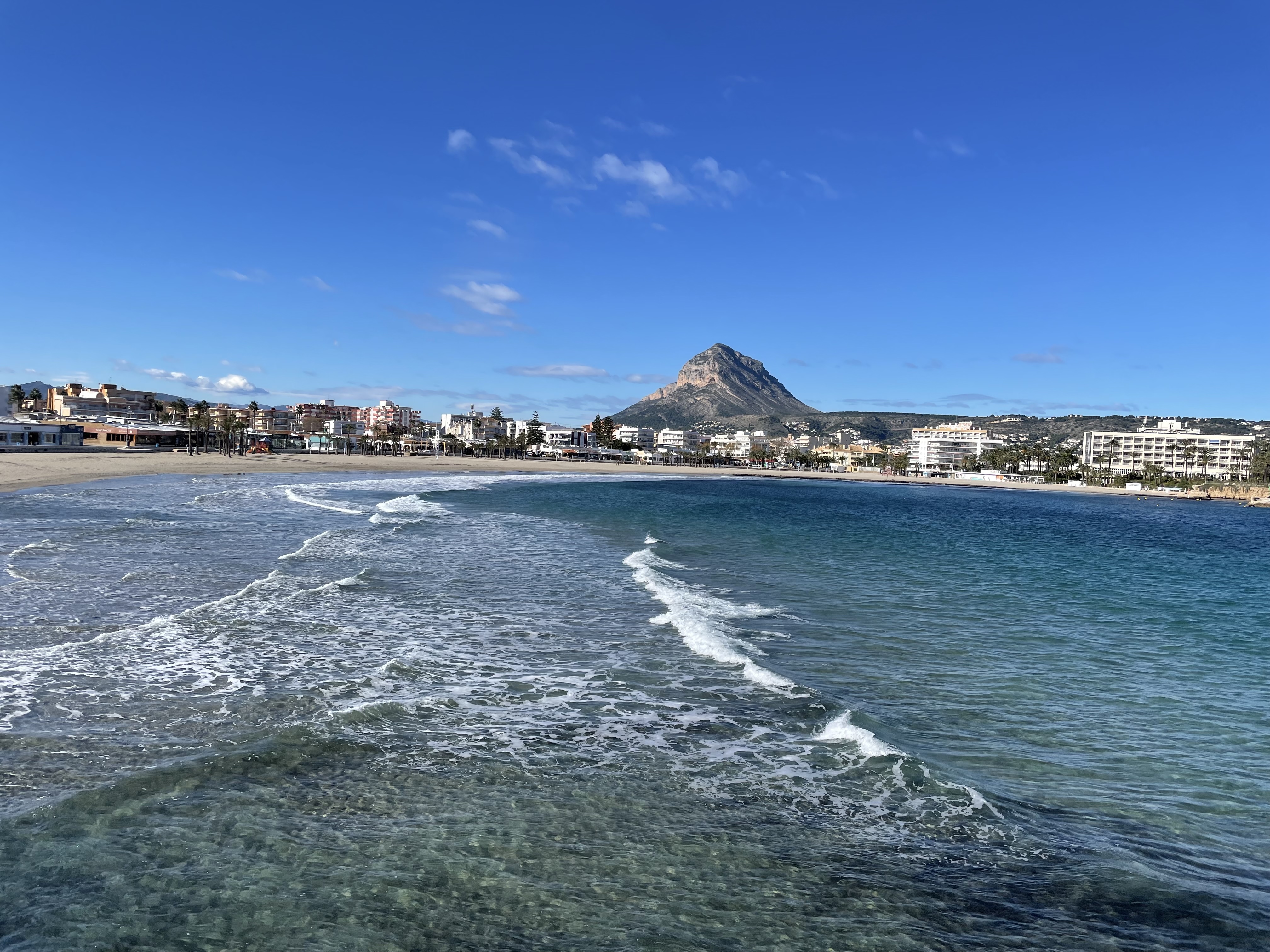
A morning coffee in the January sunshine, a plate of putxero in a small village restaurant, a walk along a quiet beach: for many of us, this is what made moving here worthwhile. If you’d like to get to know the region’s winter face too, or you’re wondering what rental opportunities your property has in winter, write to me or drop by our office in Jávea. I’ll be happy to help.
– Kata Bene and the Molino Villas team
Sources: